
Hiring several professionals for one construction project can quickly become complicated. Electrical work, plumbing, roofing, drywall, flooring, painting, and other trades all have to fit together at the right time.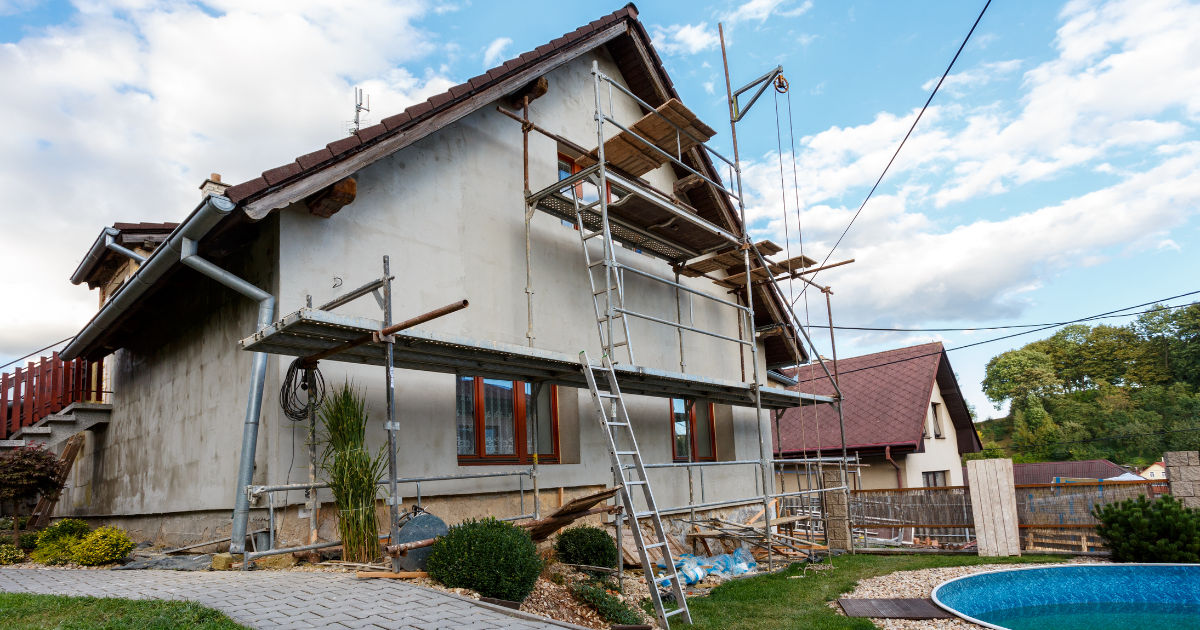
This is where a General contractor Omaha can make a major difference by coordinating the different subcontractors and keeping the project moving toward completion.
A construction project is rarely successful simply because every individual worker is skilled. The real challenge is getting everyone to work according to the same schedule, plans, quality standards, and safety expectations. A general contractor takes responsibility for organizing these moving parts.
For property owners, understanding how subcontractor management works is important. It helps explain what a general contractor actually does, why coordination matters, and how professional project management can reduce delays, confusion, and costly mistakes.
What Does a General Contractor Do?
A general contractor is responsible for managing the overall construction process. Depending on the project, this can include planning, scheduling, hiring subcontractors, ordering materials, coordinating inspections, monitoring workmanship, and communicating with the property owner.
The general contractor usually does not perform every specialized task personally. Instead, they assemble a team of qualified subcontractors who handle specific areas of the project.
For example, one subcontractor may handle electrical installation while another works on plumbing. A separate crew might install drywall, while another handles flooring or exterior work.
The general contractor connects all these activities into one organized construction process.
This makes the contractor more than simply another worker on the job site. They function as the central point of coordination between the owner, subcontractors, suppliers, inspectors, designers, and other parties involved in the project.
Can a General Contractor Manage Subcontractors?
Yes. Managing subcontractors is one of the core responsibilities of a General contractor Omaha.
A general contractor typically selects subcontractors based on their experience, licensing requirements, reputation, availability, pricing, and ability to meet project expectations. Once the subcontractors are hired, the contractor coordinates their work throughout the construction process.
Good subcontractor management involves much more than telling workers where to go.
The contractor must determine when each trade should begin, what work needs to be completed first, what materials are required, and how one subcontractor's work affects another.
For example, an electrician may need to install wiring before drywall can be closed. The plumber may need to complete rough-in work before walls are finished. Flooring may need to wait until certain painting and drywall activities are completed.
Without proper coordination, one crew can easily interfere with another.
How Subcontractor Coordination Works
Subcontractor management usually begins before workers arrive at the property.
The contractor reviews the project plans and creates a construction schedule. This schedule identifies major stages of work and determines when each subcontractor should be involved.
The sequence can vary depending on the project, but a typical construction process may involve site preparation, framing, plumbing and electrical rough-ins, insulation, drywall, interior finishes, fixtures, flooring, painting, and final inspections.
The general contractor monitors this sequence and makes adjustments when conditions change.
Construction rarely follows a perfect schedule. Materials can arrive late, weather can interrupt exterior work, inspections can take longer than expected, and unexpected conditions can appear after demolition begins.
An experienced General contractor Omaha understands that flexibility is part of construction management.
Selecting the Right Subcontractors
Subcontractor selection is one of the most important responsibilities of a general contractor.
A low bid does not necessarily mean a subcontractor is the best choice. Price matters, but so do workmanship, reliability, communication, experience, insurance, availability, and familiarity with the type of project.
A contractor may have a network of subcontractors they have worked with successfully on previous projects.
Existing professional relationships can help because experienced teams often understand each other's expectations and working methods.
However, contractors may also bring in new subcontractors when a specialized trade is required or when existing crews are unavailable.
The objective is to build a team capable of completing the project properly and efficiently.
Creating a Detailed Construction Schedule
Scheduling is one of the biggest tools a General contractor Omaha uses to manage subcontractors.
A construction schedule shows when different activities are expected to occur. It also identifies dependencies between tasks.
Consider a simple example. A flooring crew cannot always begin immediately because the subfloor may need preparation first. Similarly, a painter may have to wait until drywall finishing is complete.
A good schedule prevents unnecessary downtime.
The contractor also communicates schedule changes to subcontractors. If a plumbing crew is delayed, the contractor may need to adjust the drywall schedule and inform other trades.
This constant coordination helps keep the project organized.
Managing Communication Between Trades
Communication problems can create major construction delays.
Subcontractors need accurate information about drawings, measurements, materials, deadlines, site conditions, and changes to the project.
The general contractor acts as the communication bridge.
If the property owner requests a change, the contractor communicates that change to the affected subcontractors. If a subcontractor discovers a problem with the plans, the contractor can help determine how the issue should be addressed.
Regular communication also reduces misunderstandings.
Instead of having the property owner separately contact every trade, the contractor provides a central point of contact.
This makes the project easier for the owner to manage.
Coordinating Materials and Deliveries
Subcontractors cannot work efficiently without the right materials.
A General contractor Omaha may coordinate material purchasing and delivery so that products arrive when they are needed.
Timing matters because materials delivered too early can clutter the job site, while materials delivered too late can stop work.
For example, if cabinets are scheduled to arrive after flooring installation, the contractor needs to make sure the site is ready and the delivery fits the overall schedule.
The contractor may also verify that materials match project specifications and communicate with suppliers when problems occur.
This is another reason experienced project management can make construction smoother.
Monitoring Subcontractor Work
Hiring subcontractors is only the beginning.
The general contractor also needs to monitor their work to make sure it meets the project's plans and quality expectations.
Site visits allow the contractor to identify problems before they become expensive to correct.
For instance, improperly installed plumbing may be easier to fix before walls are closed. Incorrect electrical placement can also become more complicated once finishes are installed.
Early detection is valuable.
A responsible General contractor Omaha does not simply assume that every task has been completed correctly. They inspect progress, communicate concerns, and make sure problems are addressed.
Managing Construction Quality
Quality control is closely connected to subcontractor management.
Different trades have different technical requirements, and the general contractor needs to make sure their work fits together.
Good workmanship should be checked at important stages rather than only at the end of the project.
Waiting until the final inspection to discover major problems can create significant delays and additional expenses.
Quality management may include reviewing completed work, checking measurements, confirming installation details, and identifying unfinished items.
The contractor can then request corrections before the project moves too far forward.
Handling Conflicts Between Subcontractors
Construction projects sometimes involve disagreements.
A flooring contractor might believe another trade damaged the surface. An electrician might discover that framing does not match the plans. A plumber could find that another installation blocks access to a pipe.
These situations require professional coordination.
The General contractor Omaha can investigate the issue, review the project requirements, communicate with the involved parties, and determine how the problem should be resolved.
The goal is not simply to determine who is at fault.
The priority is usually to find a practical solution that protects the project's schedule, quality, and budget.
Managing Changes During Construction
Construction projects often change after work begins.
A property owner may decide to upgrade materials, modify a room, add a feature, or make another design change.
Changes can affect multiple subcontractors.
For example, changing a kitchen layout could affect electrical, plumbing, cabinetry, flooring, and painting.
The general contractor coordinates these changes and determines how they affect the schedule and cost.
This is especially important because seemingly small changes can have larger consequences when several trades are involved.
Clear communication helps prevent unexpected misunderstandings.
Keeping the Job Site Organized
Subcontractor management also includes job-site organization.
Multiple crews working in the same space can create safety hazards and inefficiencies if materials, tools, debris, and equipment are not properly managed.
The contractor establishes expectations for access, cleanup, storage, and site safety.
A clean and organized site can make it easier for workers to perform their tasks.
It can also reduce the chance that one subcontractor damages another contractor's completed work.
For example, finishing crews should not have to work around unnecessary debris or poorly stored materials.
Managing Safety Responsibilities
Construction safety is another major consideration.
A General contractor Omaha may establish site safety procedures and coordinate subcontractors to help maintain a safe working environment.
Different trades face different risks. Roofers may work at heights, electricians deal with electrical hazards, and construction crews may operate power tools or heavy equipment.
The general contractor needs to coordinate activities so that workers are not unnecessarily exposed to hazards created by other trades.
Safety requirements can also affect scheduling. Certain work may need to occur before other activities begin to reduce risks.
Tracking Project Costs
Subcontractor management also has a financial side.
The contractor needs to understand what each subcontractor is responsible for, what the agreed price covers, and whether additional work has been requested.
Accurate documentation helps prevent disputes.
If a project change requires additional labor or materials, the contractor can explain how that change affects the budget.
This provides the property owner with better visibility into construction costs.
A professional General contractor Omaha should also keep project documentation organized so that agreements, changes, invoices, and other important records can be reviewed when necessary.
What Happens When a Subcontractor Falls Behind?
Delays are one of the most common challenges in construction.
If one subcontractor falls behind, the delay can affect several other trades.
The general contractor must determine whether the delay can be corrected through additional workers, schedule adjustments, extended working hours, or changes in task sequencing.
Sometimes another subcontractor can work on a different area while the delayed activity is completed.
The contractor's ability to reorganize the schedule can make a significant difference.
However, not every delay can be eliminated. Weather, material shortages, inspections, design changes, and unforeseen site conditions can all affect the timeline.
The important point is that the contractor actively manages these problems instead of allowing them to grow unnoticed.
Why Subcontractor Management Matters to Property Owners
From the owner's perspective, subcontractor management reduces the need to personally coordinate every trade.
Imagine having to contact the electrician, plumber, roofer, painter, flooring installer, drywall crew, and other specialists individually.
You would need to understand their schedules, determine who should arrive first, resolve conflicts, monitor progress, and coordinate materials.
That can quickly become a full-time responsibility.
A General contractor Omaha takes on much of this coordination.
The owner can communicate primarily with the general contractor while the contractor manages the network of subcontractors behind the scenes.
Can Homeowners Manage Subcontractors Themselves?
Technically, a homeowner can hire individual subcontractors directly.
However, doing so requires considerable time, construction knowledge, organization, and communication.
The homeowner becomes responsible for coordinating schedules, confirming requirements, resolving conflicts, arranging materials, and monitoring progress.
This approach may work for very small projects.
For larger renovations or new construction, however, the number of moving parts can become overwhelming.
A general contractor provides professional coordination and takes responsibility for managing the broader construction process.
How to Choose a Contractor That Manages Subcontractors Well
Not every contractor manages subcontractors in the same way.
Before hiring a General contractor Omaha, property owners should ask how subcontractors are selected and supervised.
Ask whether the contractor regularly works with the same crews. Find out how scheduling is handled and how changes are communicated.
It is also useful to ask how the contractor handles delays, defective workmanship, disputes, and unexpected site conditions.
References can provide additional insight into how effectively a contractor manages projects.
A contractor who communicates clearly and maintains organized documentation is generally easier to work with.
Questions to Ask Before Hiring
Property owners can ask several practical questions before signing a contract.
How many subcontractors are expected on the project?
Who will supervise them?
How often will the contractor visit the site?
How are schedule changes communicated?
What happens if a subcontractor misses a deadline?
How are change orders documented?
Who handles inspections?
How are quality issues corrected?
These questions can reveal how organized the contractor's management process is.
They can also help the owner understand exactly what services are included.
Benefits of Professional Subcontractor Management
Effective subcontractor management can provide several benefits.
First, it improves coordination. Workers know when they are expected to arrive and what work needs to be completed before they begin.
Second, it can reduce delays. Problems are identified and addressed instead of being ignored.
Third, it improves accountability. Subcontractors have a general contractor overseeing the broader project.
Fourth, it can improve communication. The owner has a central contact instead of managing multiple independent crews.
Finally, professional coordination can improve overall project consistency because individual trades are working toward the same construction plan.
Common Mistakes in Subcontractor Management
Poor planning can create unnecessary construction problems.
One common mistake is scheduling trades without considering how their work affects other crews.
Another is failing to communicate changes quickly.
Allowing incomplete work to remain hidden behind finished surfaces is another serious mistake.
Hiring subcontractors solely because they offer the lowest price can also create problems if their reliability or workmanship is poor.
A professional General contractor Omaha should consider the complete value of a subcontractor rather than focusing only on the initial price.
The Importance of Accountability
A successful construction project needs clear responsibility.
When several independent subcontractors are involved, it can become difficult to determine who is responsible for a problem.
The general contractor provides a management structure.
They coordinate the trades, monitor progress, and communicate with the owner.
This does not mean every problem is automatically the contractor's fault. Instead, it means the contractor has an organized role in identifying and resolving project issues.
Clear accountability makes construction easier to manage.
Conclusion
A General contractor Omaha can absolutely manage subcontractors, and subcontractor coordination is one of the most important parts of professional construction management.
A successful project requires more than hiring skilled workers. The different trades need to arrive at the right time, follow the plans, communicate with one another, use appropriate materials, and complete their work in the correct sequence.
The general contractor brings these activities together.
From selecting subcontractors and creating schedules to monitoring quality, coordinating materials, handling changes, managing delays, and addressing conflicts, the contractor provides the structure needed to keep a complex project moving.
For property owners, this can remove much of the stress associated with managing multiple construction crews.
The best results usually come from choosing a contractor with strong communication skills, reliable subcontractor relationships, organized scheduling practices, and a clear approach to quality control.
Ultimately, subcontractor management is about coordination and accountability. When each trade understands its responsibilities and the general contractor keeps everyone working toward the same goal, construction becomes more predictable, organized, and efficient.
For a homeowner, business owner, or property investor planning a major construction project, understanding this role makes it easier to evaluate contractors and choose a professional capable of managing the entire process from start to finish.