
Travel planning involves much more than selecting a destination and booking a hotel. Travel agents often manage flights, accommodations, transportation, activities, payments, customer information, and schedule changes at the same time. Modern booking platforms make this work easier by bringing these tasks into one organized system. Even businesses looking for travel agent software free can find useful tools that demonstrate how digital trip management works before investing in advanced solutions.
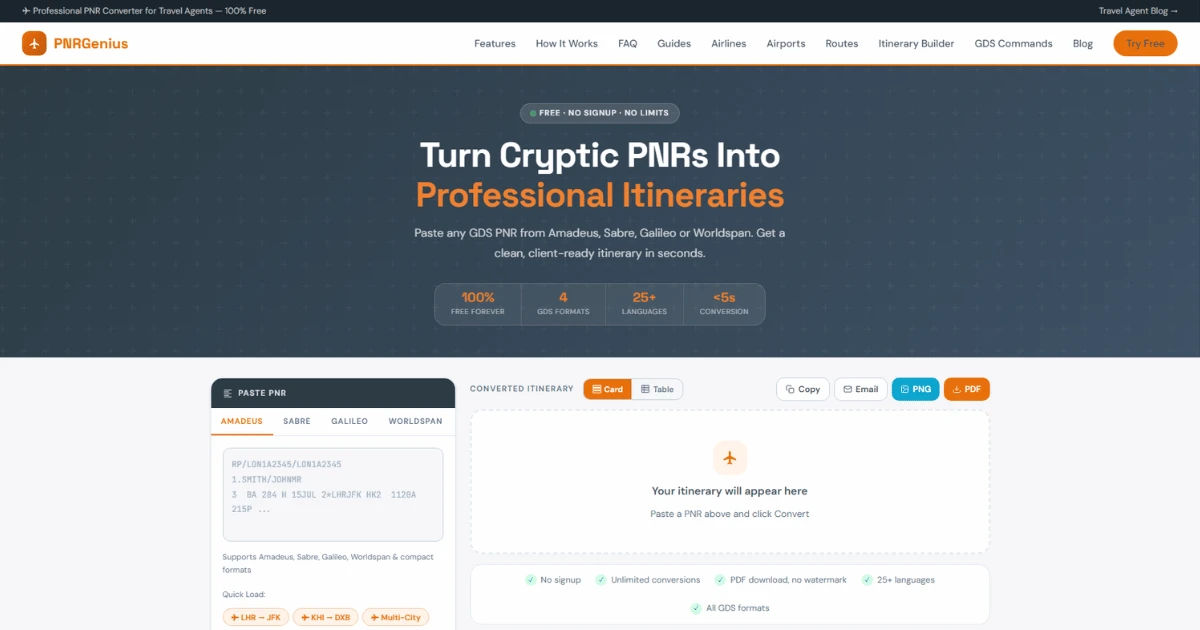
A travel agent may handle dozens of travelers and several bookings in a single day. Managing all those details through spreadsheets, emails, phone calls, and separate websites can quickly become confusing. Booking software reduces this complexity by keeping important information together and making it easier to monitor every part of a journey.
For agencies exploring travel agent software free, understanding how these systems manage trips is especially important. Free solutions can introduce agents to basic itinerary management, customer records, booking organization, and communication features. More advanced platforms usually add automation, supplier connections, payment management, reporting, and real-time updates.
What Is Travel Agent Booking Software?
Travel agent booking software is a digital platform designed to help travel professionals organize and manage reservations. Instead of switching between different systems, agents can use one platform to handle many activities connected with a customer's trip.
Depending on the software, an agent may be able to search for travel products, create reservations, prepare itineraries, collect payments, communicate with customers, and track booking status from a single dashboard.
The main purpose is to reduce manual work while improving accuracy. When customer information and booking details are stored centrally, agents spend less time searching through documents and more time helping travelers.
How Does the Software Manage a Trip?
Trip management generally begins when a customer contacts an agency. The agent collects basic information such as the traveler's name, destination, preferred dates, number of passengers, budget, and travel preferences.
The software can then create a customer profile and associate the proposed journey with that record. As bookings are made, each service can be added to the same trip.
This creates a centralized travel file containing the important components of the journey.
1. Customer Information Management
A trip normally starts with customer information. Booking software allows agents to save details such as names, contact information, travel preferences, passport-related information where appropriate, and previous booking history.
Keeping this information organized makes future communication easier.
For example, if a returning customer wants another international vacation, the agent can quickly review previous interactions and understand the customer's preferences without asking the same basic questions repeatedly.
2. Itinerary Creation
An itinerary gives travelers a clear picture of their journey. Travel booking software can combine flights, hotels, transfers, tours, activities, and other services into a structured itinerary.
The agent can arrange these services according to dates and times. This helps identify scheduling conflicts before the customer receives the final plan.
A well-organized itinerary can also make the travel experience easier for the customer because all major arrangements appear in one place.
3. Flight and Transportation Bookings
Flights are often one of the most important parts of a trip. Depending on the platform and its integrations, booking software can help agents search available flights and enter reservation information.
Transportation services can also include airport transfers, rental cars, trains, buses, private drivers, and other travel arrangements.
By connecting these services to one trip record, the agent can see how transportation fits into the overall schedule.
4. Hotel and Accommodation Management
Accommodation is another major part of trip planning. Travel agent platforms can help organize hotel reservations, room categories, check-in dates, check-out dates, rates, and guest information.
If a traveler has several hotel stays during one vacation, each property can be added to the same itinerary.
This is particularly useful for multi-city journeys where travelers may stay in different accommodations throughout their trip.
Managing Bookings From One Dashboard
A centralized dashboard is one of the most useful features of booking software. Instead of searching through emails or spreadsheets, an agent can view active and completed reservations from one location.
The dashboard may display booking numbers, customer names, payment status, travel dates, suppliers, and reservation status.
Some platforms use status labels such as pending, confirmed, cancelled, or completed. These labels allow agents to quickly understand what still needs attention.
For agencies testing travel agent software free, a dashboard is often one of the first features worth evaluating. It shows whether the platform can genuinely simplify daily operations.
Handling Payments and Invoices
Travel agencies frequently manage deposits, installments, refunds, commissions, and final payments. Doing this manually can create unnecessary administrative work.
Booking software can help track how much a customer has paid and how much remains outstanding.
The system may also generate invoices or payment records. Some platforms integrate with payment gateways so customers can pay electronically.
Automatic payment reminders can be particularly helpful. Instead of an employee manually checking every booking, the system can identify upcoming payment deadlines and send appropriate notifications.
Keeping Financial Information Organized
Financial organization also helps reduce mistakes. Agents can compare booking prices with customer payments and supplier costs.
Depending on the platform, reports may provide information about revenue, outstanding balances, commissions, refunds, and other financial activity.
This information can help agency owners understand which services and destinations are generating the strongest results.
Supplier Management
Travel agencies work with many suppliers, including airlines, hotels, tour operators, transportation companies, and activity providers.
Booking software can help organize supplier information and connect reservations with the appropriate provider.
Some advanced systems integrate directly with supplier databases or global distribution systems. This can allow agents to access availability and pricing without manually checking every supplier website.
Supplier integration can save substantial time when an agency handles a large number of reservations.
Automated Communication
Communication is a major part of travel management. Customers may need booking confirmations, payment reminders, itinerary updates, travel instructions, and cancellation information.
Software can automate many of these messages.
For example, after a reservation is confirmed, the system may automatically send a confirmation email. Before departure, it may send an itinerary or reminder.
Automation allows agents to maintain communication without manually writing every message.
Personalized Customer Communication
Automation does not necessarily mean communication has to feel impersonal.
Good booking platforms allow agencies to use customer information when creating messages. An email can include the traveler's name, booking reference, destination, dates, and relevant services.
Agents can also intervene when a customer needs individual assistance.
This combination of automation and personal service can create a better customer experience.
Managing Changes and Cancellations
Travel plans frequently change. Customers may move their departure dates, change hotels, cancel activities, or request different transportation.
A centralized booking system makes these changes easier to track.
Instead of modifying information in several separate documents, the agent can update the relevant booking record and itinerary.
Cancellation management is equally important. The software can help record cancellation dates, refund information, supplier policies, and customer communication.
However, agents should always verify the actual terms provided by airlines, hotels, and other suppliers because cancellation rules can differ significantly.
Real-Time Updates
Travel conditions can change quickly. Flights may be delayed, reservations may become unavailable, and prices can change based on demand.
Advanced booking platforms can receive information from connected suppliers and distribution systems.
Real-time or near-real-time information helps agents provide more accurate options to customers.
This is one area where basic travel agent software free solutions may differ considerably from professional systems. Free tools may focus primarily on organization, while commercial platforms may provide deeper supplier integrations and live booking capabilities.
Mobile Access and Remote Work
Modern travel agencies are not always operated from a traditional office. Agents may work from home, while traveling, or from multiple locations.
Cloud-based booking software allows authorized users to access trip information through internet-connected devices.
An agent can review a reservation, check customer information, or respond to an inquiry without being tied to one office computer.
Mobile access is especially useful when customers need assistance while they are already traveling.
Travel Documents and Itinerary Sharing
Travelers often need several documents, including confirmations, invoices, schedules, tickets, hotel details, and activity information.
Booking software can organize these documents around the customer's trip.
Some systems also create digital itineraries that can be shared through email or customer portals.
Instead of sending several unrelated attachments, the agency can provide one organized travel package.
This improves convenience and gives the customer a clearer understanding of the entire journey.
Reporting and Business Analytics
Booking software is not only useful for managing individual trips. It can also help agencies understand their overall business performance.
Reports may show the number of bookings, sales volume, popular destinations, customer activity, supplier performance, and revenue trends.
These insights can support better business decisions.
For instance, if reports show that customers are frequently booking family vacations during a particular season, an agency can create targeted packages around that demand.
Understanding Customer Trends
Customer data can reveal patterns that are difficult to identify manually.
An agency may discover that certain customers prefer luxury hotels, while others regularly choose budget-friendly packages.
Understanding these trends can help agents provide more relevant recommendations.
It can also support marketing campaigns designed for specific customer groups.
How Automation Saves Time
Manual trip management requires repetitive tasks. An agent may need to enter customer information several times, send repeated emails, calculate balances, update spreadsheets, and prepare documents.
Automation reduces the number of repetitive actions.
Once a workflow is configured, the system can perform certain tasks automatically when specific conditions are met.
For example, a confirmed reservation can trigger an email, update a customer record, and change the booking status.
This gives agents more time to focus on customer service and complex travel requests.
Security and Data Protection
Travel agencies handle sensitive customer information, so security is an important consideration.
Professional booking platforms may use features such as account permissions, secure connections, authentication controls, backups, and activity monitoring.
Agencies should evaluate how a software provider stores and protects customer information before choosing a platform.
Free software should also be reviewed carefully. Agencies should understand its privacy policies, data storage practices, limitations, and access controls before entering real customer information.
Can Free Software Manage Complete Trips?
The answer depends on the particular platform.
Some travel agent software free options provide basic tools for customer records, simple itineraries, calendars, and booking organization.
However, free plans may have limitations involving the number of users, bookings, integrations, storage capacity, automation features, reporting, or customer support.
For a small agency, these basic features may be sufficient during the early stages of business.
For a larger agency, a paid system may provide better scalability and more advanced integrations.
Choosing the Right Booking Software
Before selecting a platform, travel agencies should identify their actual operational requirements.
An agency primarily selling hotel packages may need different features from an agency specializing in corporate travel or international tours.
Important factors include ease of use, supplier integrations, itinerary tools, payment management, reporting, automation, customer communication, security, and scalability.
Consider the Agency's Size
Small agencies may prefer a simple system that is affordable and easy to learn.
Growing agencies usually need stronger automation and collaboration features.
Large agencies may require sophisticated integrations, multiple user accounts, advanced reporting, and detailed permission controls.
The best software is not necessarily the platform with the largest feature list. It is the one that fits the agency's workflow.
Test Before Committing
A free trial or travel agent software free plan can be useful for evaluating a platform.
Agents should test common tasks such as creating a customer profile, building an itinerary, adding reservations, recording payments, and sending documents.
Testing real workflows provides a better understanding of whether the system is genuinely easy to use.
Common Challenges in Trip Management
Even with good software, travel management can present challenges.
Supplier systems may not always communicate perfectly. Prices can change, reservations can become unavailable, and customer requests may require manual intervention.
Internet connectivity can also affect cloud-based systems.
Another challenge is employee training. A powerful platform is not useful if staff members do not understand how to use it correctly.
For this reason, agencies should provide training and establish clear internal procedures.
The Future of Travel Booking Software
Travel technology continues to evolve. Artificial intelligence, automation, mobile applications, digital payments, and personalized recommendations are increasingly influencing travel management.
Future systems are likely to automate more administrative tasks while giving agents better tools for personalization.
Artificial intelligence may help summarize customer preferences, suggest itinerary options, identify potential scheduling conflicts, and assist with customer communication.
However, human expertise will remain important. Travelers often need advice when dealing with unusual requirements, complex international journeys, disruptions, or unexpected changes.
Technology works best when it supports the travel agent rather than completely replacing the human relationship.
Benefits for Travelers
The advantages of booking software are not limited to travel agencies.
Customers can receive faster responses, clearer itineraries, organized documents, timely reminders, and more accurate booking information.
A centralized system also makes it easier for an agent to understand the complete journey when a traveler asks for assistance.
For travelers, this can mean less confusion and a smoother booking experience.
Benefits for Travel Agencies
For agencies, the biggest advantage is improved efficiency.
A well-designed booking platform can reduce repetitive administrative work, improve organization, minimize data-entry errors, and provide better visibility into bookings.
It can also support business growth.
As the number of customers increases, an agency needs systems that can handle additional bookings without requiring the same increase in administrative effort.
That scalability is one reason many agencies move from spreadsheets to specialized booking platforms.
Conclusion
Travel agent booking software manages trips by bringing customer information, reservations, itineraries, payments, suppliers, documents, communication, and reporting into an organized digital environment. Instead of managing every part of a journey separately, agents can coordinate multiple services through a centralized system.
The process typically begins with creating a customer profile and travel request. Flights, hotels, transportation, activities, and other services can then be connected to the same trip. Payment records and invoices help the agency monitor financial obligations, while automated communication keeps customers informed.
The ability to manage changes is another major advantage. When dates, reservations, or services change, agents can update the relevant information and keep the itinerary organized. Reporting tools then provide broader insight into agency performance and customer behavior.
For smaller businesses, travel agent software free options can provide a practical introduction to digital trip management. They may be suitable for basic customer records, itineraries, and booking organization. However, agencies with complex operations should carefully compare free plans with paid platforms to determine whether they need advanced automation, supplier integrations, reporting, security, and scalability.
Ultimately, the value of booking software depends on how well it fits an agency's daily workflow. The right platform should make travel planning simpler rather than adding unnecessary complexity. Agents should consider their business size, booking volume, customer needs, supplier relationships, and future growth before making a decision.
When implemented correctly, travel agent software free or a more advanced paid solution can help transform trip management from a collection of disconnected administrative tasks into a structured and efficient process. The result is better organization for the agency, clearer information for travelers, and more time for agents to provide the personal expertise that makes professional travel planning valuable.