
Workplace safety has become a top priority in industries where employees face daily exposure to fire, heat, sparks, or electrical hazards.
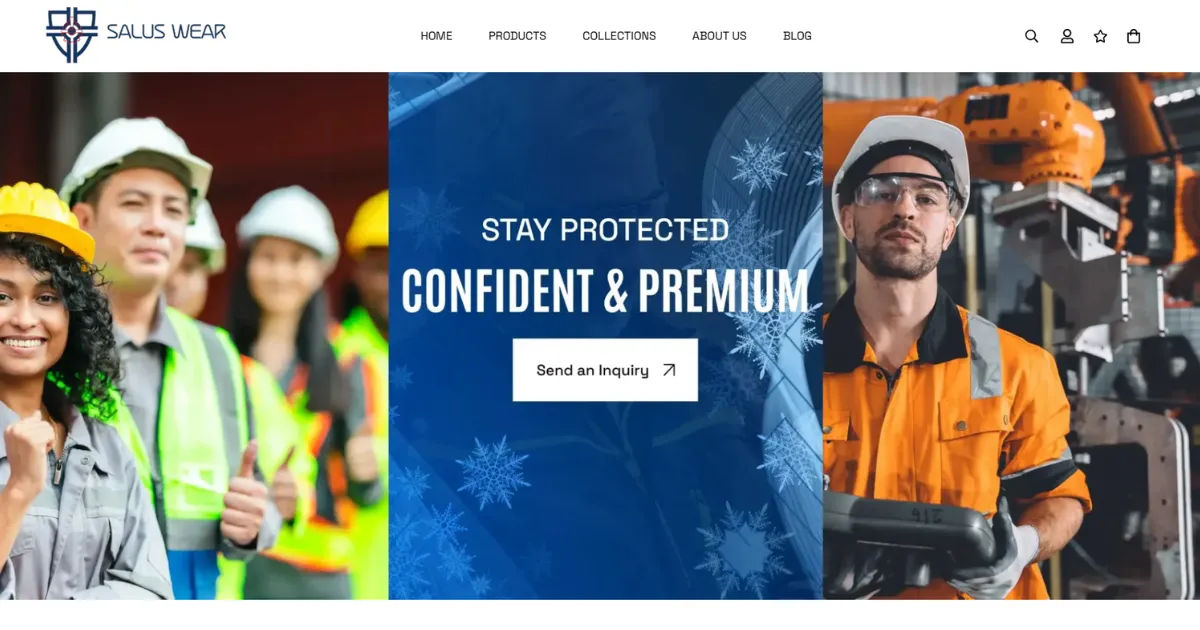
Flame resistant workwear for men is specifically designed to reduce the risk of serious burn injuries by resisting ignition and minimizing the spread of flames. Unlike regular clothing, these garments provide an additional layer of protection that can make a significant difference during workplace accidents.
Many professions require workers to wear protective clothing because they regularly encounter hazardous environments. Whether working in oil fields, electrical plants, welding shops, or manufacturing facilities, choosing the right protective apparel is essential. Understanding which jobs require specialized clothing helps both employers and employees comply with safety standards while improving workplace confidence.
This guide explains the industries, occupations, benefits, standards, and selection tips related to flame-resistant clothing so workers can make informed decisions.
Flame Resistant Clothing
Flame resistant clothing is made from fabrics that resist catching fire or are specially treated to slow the spread of flames. When exposed to heat or fire, these materials self-extinguish once the ignition source is removed.
Unlike ordinary clothing that can melt or continue burning, flame-resistant garments provide valuable escape time and reduce the severity of burn injuries.
It is important to understand that flame resistant does not mean fireproof. These garments cannot completely eliminate injury, but they significantly reduce the risk during short-term exposure to flames or electrical arcs.
Why Some Jobs Require Flame Resistant Clothing
Many workplaces expose employees to hazards that cannot always be eliminated through engineering controls alone. In these environments, personal protective equipment becomes the final layer of defense.
Workers may face:
- Flash fires
- Arc flashes
- Molten metal splashes
- Explosions
- Sparks
- High temperatures
- Chemical fires
- Combustible dust explosions
For these reasons, flame resistant workwear for men is often required by workplace safety regulations and employer policies.
Oil and Gas Industry
The oil and gas industry is one of the largest users of flame-resistant clothing.
Workers perform drilling, extraction, refining, transportation, and maintenance activities where flammable gases and liquids are common.
Potential hazards include:
- Flash fires
- Gas explosions
- Fuel ignition
- Chemical exposure
Employees working in:
- Oil rigs
- Refineries
- Pipeline maintenance
- Fuel storage facilities
- Offshore platforms
typically wear flame resistant workwear for men every day to reduce burn risks.
Electrical Utility Workers
Electricians and power line technicians regularly work around high-voltage equipment.
One of the greatest dangers is an arc flash, which produces intense heat reaching thousands of degrees within seconds.
Workers in electrical utilities include:
- Power line installers
- Electrical engineers
- Maintenance electricians
- Substation technicians
- Power generation workers
Specialized flame-resistant clothing helps reduce injuries caused by sudden electrical explosions.
Welders and Metal Fabricators
Welding creates continuous exposure to:
- Sparks
- Molten metal
- Hot slag
- Extreme heat
Without proper protective clothing, ordinary fabrics may ignite quickly.
Professional welders rely on flame resistant workwear for men because it protects against flying sparks while allowing comfortable movement throughout the workday.
Manufacturing Industry
Many manufacturing facilities involve heat-producing equipment.
Examples include:
- Steel mills
- Aluminum plants
- Automotive manufacturing
- Heavy machinery production
- Industrial equipment factories
Employees working near furnaces, casting equipment, or heated machinery benefit from flame-resistant garments that reduce burn injuries.
Mining Operations
Mining combines heavy machinery with explosive materials and underground hazards.
Workers may encounter:
- Methane gas
- Coal dust
- Blasting operations
- Equipment fires
Because emergency escape routes may be limited underground, flame-resistant clothing provides essential protection during unexpected incidents.
Chemical Plants
Chemical manufacturing involves numerous flammable substances.
Employees handling:
- Solvents
- Industrial chemicals
- Gas cylinders
- Petrochemicals
- Reactive compounds
must wear protective clothing designed to reduce burn injuries if a chemical fire occurs.
Firefighters
Although firefighters wear specialized turnout gear instead of standard industrial clothing, flame-resistant materials remain an essential part of their protective equipment.
Firefighters depend on multiple layers designed to withstand:
- Extreme heat
- Open flames
- Falling debris
- Hot steam
Their equipment exceeds the protection offered by most industrial garments.
Aviation Maintenance Workers
Aircraft maintenance personnel often work with:
- Aviation fuel
- Hydraulic fluids
- Electrical systems
- Engines
Fuel vapors and electrical equipment create fire risks that make flame-resistant clothing an important safety measure.
Railroad Employees
Railroad maintenance crews frequently work near:
- High-voltage systems
- Fuel-powered equipment
- Welding operations
- Heavy machinery
Many railway companies require flame resistant workwear for men for employees performing maintenance and repair work.
Utility Maintenance Crews
Gas utility workers repair pipelines and maintain gas distribution systems.
Their daily responsibilities often include:
- Leak repairs
- Valve maintenance
- Pipeline inspections
- Emergency response
Since natural gas is highly flammable, protective clothing is a necessary precaution.
Construction Workers
Not every construction worker requires flame-resistant clothing.
However, workers performing specialized tasks often do.
These include:
- Structural welders
- Electrical contractors
- Industrial construction crews
- Bridge repair teams
- Steel erection workers
Construction sites often combine multiple hazards, making protective clothing especially valuable.
Industrial Maintenance Technicians
Maintenance personnel repair machinery inside factories where heat-producing equipment operates continuously.
Common tasks include:
- Machine repairs
- Electrical troubleshooting
- Furnace maintenance
- Conveyor servicing
- Equipment inspections
Unexpected equipment failures may expose workers to fire hazards without warning.
Military Personnel
Many military uniforms include flame-resistant fabrics because soldiers may encounter:
- Explosions
- Vehicle fires
- Fuel ignition
- Combat hazards
Protective clothing increases survival chances during dangerous missions.
Emergency Response Teams
Industrial emergency response teams handle incidents involving:
- Chemical leaks
- Fire suppression
- Rescue operations
- Equipment failures
Their protective clothing helps reduce injuries during emergency situations.
Transportation Industry
Workers transporting hazardous materials frequently wear flame-resistant garments.
Examples include:
- Fuel truck drivers
- Chemical transport operators
- Tanker maintenance crews
These workers face elevated risks during loading, unloading, and transportation.
Steel and Foundry Workers
Steel manufacturing involves temperatures exceeding several thousand degrees.
Employees regularly encounter:
- Molten metal
- Hot surfaces
- Sparks
- Radiant heat
Flame-resistant clothing helps protect workers from accidental burns.
Pulp and Paper Mills
Paper manufacturing may seem low risk, but mills often contain:
- High-temperature drying systems
- Combustible dust
- Steam systems
- Electrical hazards
Many facilities require flame-resistant clothing for maintenance personnel.
Food Processing Plants
Some food processing operations involve:
- Industrial ovens
- Frying equipment
- Steam boilers
- Gas-powered systems
Maintenance workers and engineers may need flame-resistant clothing when servicing these systems.
Jobs That May Need Flame Resistant Clothing Occasionally
Certain occupations require flame-resistant clothing only during specific tasks.
Examples include:
- HVAC technicians
- Mechanical engineers
- Telecommunications workers
- Renewable energy technicians
- Wind turbine maintenance crews
- Solar power technicians
- Shipyard workers
Employers conduct hazard assessments to determine when protective clothing is necessary.
Benefits of Flame Resistant Clothing
Workers receive several important benefits from wearing proper protective garments.
Improved Burn Protection
The primary benefit is reducing burn severity during accidental exposure to flames.
Increased Workplace Safety
Protective clothing complements helmets, gloves, boots, and eye protection.
Together they create a complete safety system.
Regulatory Compliance
Many industries follow safety regulations requiring flame-resistant clothing.
Compliance helps employers avoid penalties while protecting workers.
Greater Worker Confidence
Employees often perform better when they know they are properly protected.
Confidence contributes to productivity and workplace morale.
Long-Term Durability
High-quality flame-resistant garments are built to withstand repeated washing and demanding work environments.
Important Safety Standards
Several organizations establish safety requirements for flame-resistant clothing.
Common standards include:
- NFPA 70E
- NFPA 2112
- ASTM standards
- OSHA workplace regulations
Employers choose garments based on the specific hazards present in their workplaces.
Choosing the Right Flame Resistant Clothing
Not all protective clothing offers the same level of protection.
When selecting garments, consider:
Hazard Type
Identify whether workers face:
- Flash fire
- Arc flash
- Molten metal
- High heat
Each hazard may require different protection levels.
Fabric Quality
Choose garments made from certified flame-resistant materials rather than ordinary fabrics with minimal treatment.
Comfort
Comfortable clothing encourages workers to wear protective equipment consistently throughout the workday.
Proper Fit
Loose clothing may create additional hazards around machinery.
Garments should fit comfortably without restricting movement.
Durability
Industrial clothing should withstand frequent washing and heavy use while maintaining protective performance.
Caring for Flame Resistant Clothing
Proper maintenance helps preserve protective properties.
Workers should:
- Follow manufacturer washing instructions.
- Avoid bleach unless approved.
- Replace damaged garments.
- Inspect clothing regularly.
- Store garments in clean, dry locations.
Proper care extends garment life while maintaining safety performance.
Common Misconceptions
Several myths surround flame-resistant clothing.
It Is Fireproof
No clothing is completely fireproof.
Flame-resistant garments reduce injury risk rather than eliminate it.
Any Heavy Clothing Works
Heavy cotton or denim may still ignite under certain conditions.
Certified flame-resistant clothing undergoes specialized testing.
It Never Needs Replacement
Protective clothing wears out over time.
Excessive damage, contamination, or wear may reduce effectiveness.
Employer Responsibilities
Employers should:
- Conduct hazard assessments.
- Provide appropriate protective clothing.
- Train employees.
- Inspect safety equipment.
- Replace worn garments.
- Maintain compliance with regulations.
Proper training ensures workers understand both the benefits and limitations of protective apparel.
Employee Responsibilities
Workers also play an important role in workplace safety.
Employees should:
- Wear required protective clothing.
- Inspect garments before use.
- Report damaged equipment.
- Follow workplace safety procedures.
- Use additional PPE when required.
Safety depends on cooperation between employers and employees.
The Future of Flame Resistant Workwear
Protective clothing continues to improve through advances in textile technology.
Modern garments offer:
- Lighter fabrics
- Better breathability
- Increased flexibility
- Moisture management
- Enhanced durability
- Improved comfort
Manufacturers continue developing clothing that balances protection with everyday wearability, allowing workers to remain comfortable during long shifts.
Conclusion
Many industries expose workers to hazards involving flames, electrical arcs, sparks, and extreme heat. Oil and gas employees, electricians, welders, miners, chemical plant workers, utility technicians, manufacturing personnel, transportation professionals, and industrial maintenance teams all benefit from wearing flame resistant workwear for men. While no garment can eliminate every risk, properly certified protective clothing significantly reduces the likelihood of severe burn injuries and gives workers valuable time to react during emergencies.
Choosing the correct protective apparel requires understanding workplace hazards, following industry safety standards, and selecting garments that provide the right balance of protection, comfort, and durability. Employers should conduct thorough hazard assessments, while employees must wear and maintain their protective clothing correctly. As technology continues to improve protective fabrics, flame resistant workwear for men will remain an essential investment in workplace safety, helping protect lives across numerous high-risk occupations.