
When homeowners begin looking for a more efficient and comfortable way to heat their living spaces, infrared heating technology often becomes an attractive option. Unlike conventional heating systems that warm the air first, infrared heating works by directly warming people, furniture, floors, and other objects.
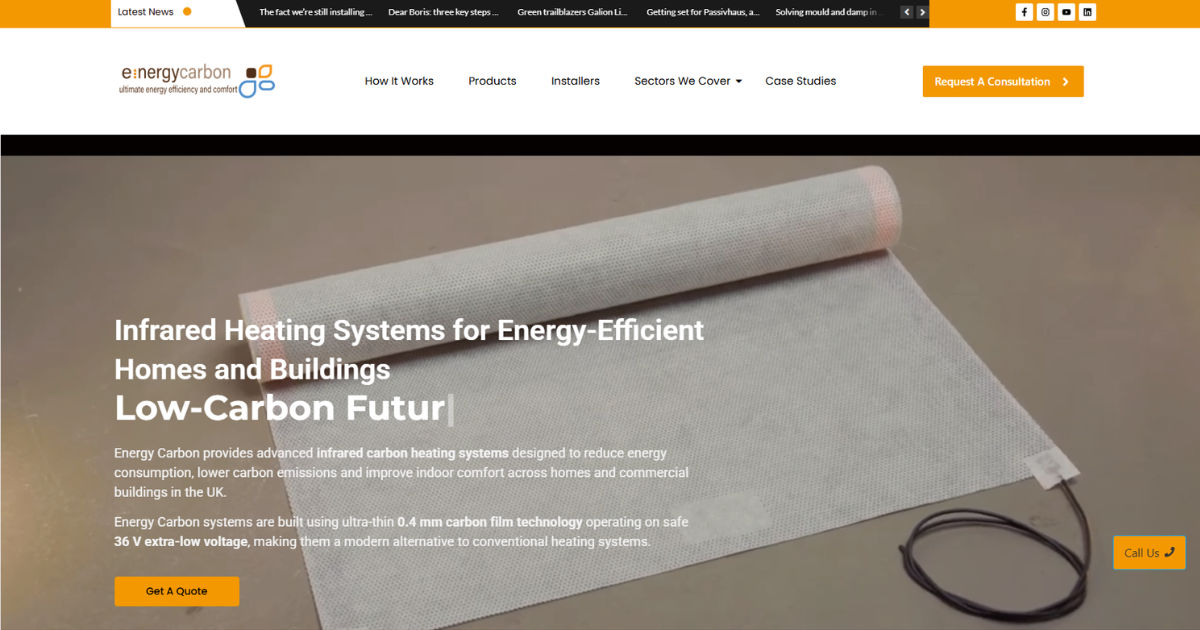
This creates a natural, even warmth that many homeowners find more comfortable while potentially improving energy efficiency.As energy prices continue to fluctuate and environmental concerns become increasingly important, more people are exploring alternatives to traditional heating systems.
Infrared heating technology offers a modern solution that combines comfort, efficiency, and simplicity. Whether you are building a new home, renovating an existing property, or simply replacing outdated heating equipment, understanding how this technology works can help you make a more informed decision.
This guide explains everything you need to know about residential infrared heating, including how it works, its advantages, possible drawbacks, installation options, maintenance requirements, and whether it is the right choice for your home.
Infrared Heating Technology
Infrared heating technology uses electromagnetic infrared waves to transfer heat directly to solid objects instead of heating the surrounding air. This process is similar to how the sun warms your skin on a cool day. Even when the air feels chilly, sunlight provides immediate warmth because the energy is absorbed directly by your body.
Indoor infrared heating panels or heaters use this same principle. They emit infrared radiation that safely warms walls, floors, furniture, and people. Once these objects become warm, they slowly release heat into the surrounding air, creating a balanced indoor environment.
Unlike forced-air systems, there is no need for fans or ducts to distribute heat throughout the house.
How Residential Infrared Heating Works
The heating element inside an infrared panel converts electricity into infrared radiation. These invisible waves travel through the room until they meet solid surfaces.
Those surfaces absorb the energy and gradually become warm.
As the room's furniture, flooring, and walls store heat, they naturally radiate warmth back into the living space.
This method creates a comfortable environment with fewer temperature fluctuations compared to traditional heating systems.
Because infrared heating technology focuses on heating objects rather than continuously reheating moving air, many homeowners notice that rooms stay comfortable for longer periods.
Why Homeowners Are Choosing Infrared Heating
Several factors have contributed to the growing popularity of infrared heating technology in residential properties.
Many families are looking for:
-
Better energy efficiency
-
Lower heating costs
-
Cleaner indoor air
-
Easier maintenance
-
Modern home designs
-
Quiet operation
-
Flexible installation
These benefits make infrared systems appealing for both new construction and existing homes.
Energy Efficiency
One of the biggest reasons people consider infrared heating technology is energy efficiency.
Traditional heating systems lose heat through ductwork, vents, and air circulation. Warm air also naturally rises toward the ceiling, leaving cooler temperatures where people actually spend time.
Infrared heating works differently.
It delivers warmth directly where it is needed, reducing wasted energy.
Because objects retain heat, rooms often remain comfortable even after the heater cycles off.
Many homeowners find that they can maintain comfort while setting thermostats slightly lower than with conventional heating systems.
Improved Indoor Comfort
Comfort is about more than simply increasing room temperature.
Infrared heating technology creates radiant warmth that feels gentle and natural.
Instead of producing hot and cold spots throughout a room, infrared heating distributes warmth more evenly.
Floors, furniture, and walls become warm, helping create a consistent indoor climate.
Many people describe the experience as similar to standing in natural sunlight.
Better Indoor Air Quality
Traditional forced-air heating constantly moves air around the house.
This circulation can spread:
-
Dust
-
Pet dander
-
Pollen
-
Allergens
-
Other airborne particles
Since infrared heating technology does not rely on fans or air movement, significantly less dust circulates throughout the home.
This may contribute to cleaner indoor air, especially for individuals who are sensitive to airborne particles.
Quiet Operation
Noise is often overlooked when choosing a heating system.
Many conventional systems produce sounds from:
-
Fans
-
Air ducts
-
Compressors
-
Expanding ductwork
In contrast, infrared heating technology operates almost silently.
Without moving mechanical components, homeowners can enjoy peaceful heating without background noise interrupting conversations, sleep, or relaxation.
Low Maintenance Requirements
Another advantage of infrared heating technology is its simple maintenance.
Most systems have very few moving parts.
There are no filters requiring regular replacement.
There are no air ducts needing cleaning.
Routine maintenance generally involves keeping the panel surface clean and occasionally checking electrical connections according to manufacturer recommendations.
This simplicity often reduces long-term maintenance expenses.
Modern Design Options
Today's homeowners appreciate products that combine performance with attractive design.
Many infrared panels are available as:
-
Wall-mounted units
-
Ceiling-mounted panels
-
Mirror heaters
-
Decorative glass panels
-
Picture panels
Some models blend almost seamlessly into home interiors.
This makes infrared heating technology suitable for modern living spaces where appearance matters as much as functionality.
Flexible Installation
One reason many renovation projects include infrared heating technology is installation flexibility.
Panels can often be installed in:
-
Living rooms
-
Bedrooms
-
Kitchens
-
Bathrooms
-
Home offices
-
Basements
-
Garages
Because extensive ductwork is unnecessary, installation may be simpler than replacing traditional central heating systems.
This flexibility also makes room-by-room heating easier.
Even Heat Distribution
Traditional systems sometimes struggle with uneven heating.
Rooms farther from the furnace may remain cooler.
Warm air frequently gathers near ceilings instead of occupied spaces.
Infrared heating technology minimizes these issues by warming objects throughout the room.
The result is more consistent comfort from floor level upward.
Reduced Heat Loss
Whenever warm air escapes through open doors or ventilation, traditional systems must work harder.
Since infrared heating technology stores warmth within solid objects, rooms recover more quickly after temporary heat loss.
Furniture, walls, and flooring continue releasing stored warmth even if doors briefly open.
This can improve overall heating performance during everyday household activities.
Environmentally Friendly Heating
Many homeowners are considering ways to reduce environmental impact.
Infrared heating technology can support sustainability goals when paired with renewable electricity sources.
Because no fossil fuels are burned inside the home, there are no indoor combustion gases.
If powered by solar energy or renewable electricity, infrared heating becomes an even greener solution.
Ideal Rooms for Infrared Heating
Different areas of the home benefit in different ways.
Living rooms often enjoy steady radiant warmth during family gatherings.
Bedrooms remain comfortable without noisy heating systems interrupting sleep.
Bathrooms feel warmer immediately after stepping from the shower.
Home offices maintain comfortable temperatures during long work sessions.
Sunrooms, basements, and garages can also benefit from infrared heating technology, especially where extending ductwork would be difficult.
Comparing Infrared Heating with Traditional Heating
Traditional heating primarily warms air.
As warm air rises, temperature differences develop throughout the room.
Air movement also increases dust circulation.
In comparison, infrared heating technology warms surfaces directly.
This creates more consistent comfort while reducing unnecessary air movement.
Many homeowners appreciate the more natural feeling of radiant warmth.
Cost Considerations
Initial installation costs vary depending on:
-
Home size
-
Number of panels
-
Electrical requirements
-
Desired heating zones
-
Installation complexity
Although installation expenses differ, many homeowners evaluate infrared heating technology based on long-term operating costs rather than upfront price alone.
Energy savings depend on insulation quality, local electricity rates, climate, and homeowner usage habits.
Maintenance and Lifespan
One appealing feature of infrared heating technology is durability.
With fewer mechanical components than traditional systems, there are fewer parts that can wear out.
Properly maintained infrared panels often provide many years of reliable service.
Routine care typically includes:
-
Wiping dust from panel surfaces
-
Checking mounting hardware
-
Inspecting electrical connections
-
Following manufacturer maintenance recommendations
Safety Features
Modern infrared heating technology includes several built-in safety features.
Many units provide:
-
Overheat protection
-
Automatic shutoff
-
Temperature controls
-
Child-safe surface designs
-
Certified electrical components
Choosing certified products and using professional installation further improves household safety.
Smart Home Integration
Many newer infrared heating systems work with smart thermostats.
This allows homeowners to:
-
Schedule heating times
-
Adjust temperatures remotely
-
Create heating zones
-
Monitor energy usage
-
Improve overall efficiency
Smart controls help ensure rooms are heated only when needed.
Is Infrared Heating Right for Every Home?
While infrared heating technology offers many advantages, every home has different heating requirements.
Factors to consider include:
-
Climate
-
Home insulation
-
Ceiling height
-
Window size
-
Existing heating infrastructure
-
Local electricity costs
In well-insulated homes, infrared systems often perform exceptionally well.
Larger homes may benefit from combining multiple panels with zoned heating strategies.
Consulting a qualified heating professional can help determine the best setup for individual properties.
Common Misconceptions
Some homeowners believe infrared heating only works in small rooms.
Modern systems are available in various sizes capable of heating larger residential spaces when properly designed.
Another misconception is that infrared heating feels too intense.
In reality, properly sized systems produce gentle, even warmth rather than excessive heat.
Others assume infrared panels consume excessive electricity.
Actual operating costs depend on insulation, usage patterns, thermostat settings, and overall system design.
Tips for Maximizing Performance
To get the most from infrared heating technology, homeowners should:
-
Improve home insulation.
-
Seal air leaks around doors and windows.
-
Position panels according to manufacturer recommendations.
-
Use programmable thermostats.
-
Heat occupied rooms instead of unused spaces.
-
Keep panel surfaces unobstructed.
-
Perform routine maintenance.
These simple practices can improve both comfort and efficiency.
Conclusion
Choosing the right home heating system is an important decision that affects comfort, energy use, and long-term operating costs. Infrared heating technology has become an increasingly popular option because it offers a unique way of delivering warmth that differs significantly from conventional heating systems. By heating objects and people directly instead of simply warming the air, it creates a comfortable indoor environment with even heat distribution, quiet operation, and minimal maintenance.
For homeowners seeking a modern heating solution, infrared heating technology combines efficiency with convenience. It works well in many types of homes, supports smart home integration, and provides flexible installation options for individual rooms or entire properties. While every home's heating needs are different, many families appreciate the comfort, clean operation, and simple design that infrared systems provide.
Before making a final decision, evaluate your home's insulation, room layout, local energy costs, and heating goals. With proper planning and professional installation, infrared heating can provide dependable comfort for many years. As residential heating continues to evolve, this technology offers an appealing balance of performance, efficiency, and modern design for homeowners looking toward the future.